
Current Posts
- The Trinity: The Faithful God (El Emunah)
Reflecting on the Names and Nature of God
Therefore know that the LORD your God,
He is God, the faithful God
who keeps covenant and mercy
for a thousand generations
with those who love Him
and keep His commandments.
Deuteronomy 7:9The Lord is El Emunah, the Faithful God of the Future. Some people make gods with their hands and worship them. But idols are not able to do anything that God can do. They can’t think, feel or act. But the Lord in Heaven knows all about you, thinks of you and loves you. The Lord has promised to guide you, protect you and work all things together for His own good (Romans 8:28). Because the Father is the Faithful God, He will keep His promises.
The Lord is El Emunah, the Faithful God of the past. He was faithful to bless His people when they kept past covenants, and He was faithful to punish them when they disobeyed His commandments. You can see His faithfulness when He judged His people, and you can see His faithfulness when He forgave them of their sins. As the Father has been faithful to Israel, so He will be faithful to you. Because of His mercies, we are not destroyed. His compassion is new every morning. Great is His faithfulness (Lamentations 3:22-23).
The Lord is El Emunah, the Faithful God of the present. Your present is grounded in God’s past; because He has faithfully kept His word in the past, He will be faithful to you today.
Lord, forgive me when I doubt Your Word and don’t believe Your promises. Thank You for Your reminder that You are El Emunah—the Faithful God. Help me to walk confidently today and to serve You faithfully. Amen.
Go Deeper: Deuteronomy 7
You can trust God today because He was faithful in the past.
Tomorrow…Jesus: The Lord of Peace
God Wants You to Know Him on a First-Name Basis
To better understand The Trinity, read this free Article
- COME TO THE TABLE…by LUKE HAMILTON
aaaaFruitful is a place where you can read real stories from Christians around the world who share how God is using them and their spiritual gifts to bless others. Be inspired to discover your own spiritual gifts and share them with your community. Life with intention. Life with meaning. Life directed by God. Join us in the conversation.

Tables…
We have them in our homes, schools, work places. We fight to get a good space at one in a cafe and we squeeze people around them at Christmas.
Our entire life could be mapped out by a series of events around various tables. From singing Happy Birthday around one, to toasting the bride and groom while behind another, to reading the news and sipping coffee at another table.
Tables are everywhere, and a key part of our lives.
Gathering around a table is something we also find throughout The Bible. Key moments of Jesus’s ministry on earth involved gathering at a table, for meals, teaching, healing, and celebrating.
The most well-known assembling around a table was the last supper found in Luke 22:21, where Jesus broke bread, shared wine, and stated, “But behold, the hand of the one betraying Me is with Me on the table.”
There are three types of tables to consider…
First up, the coffee table.
Today we meet for coffee, much in the same way that Jesus met privately with individuals and small groups for one-on-one conversations with those pondering questions and seeking God. Examples include His conversations with Nicodemus, the Samaritan woman, and the breakfast by the sea. Jesus met with those who believed and those who had no faith. And He took the time to hear their hearts and talk about the Kingdom of God with each person in a personal way.
Think of a table at your local coffee shop.
It’s hard to fit more than three or four people around a coffee table. This table is about growing deeper through intentional conversation with the few.
We continuously find ourselves around this friendly table, having a cup of tea on the sofa, a Bible study with others in a local cafe, or eating a sandwich with a mentor on a park bench.
This table isn’t necessarily built for comfort, but for the conversation that happens around it, the laughter and storytelling, the intimate and vulnerable conversations.
Second up, the dinner table.
Throughout His earthly ministry Jesus gathered with the twelve disciples and others for food and He taught them with passion and fresh perspective on the Kingdom of God. This table is for gathering the family to eat, learn, and pray together.
Jesus loved a good dinner table.
Around a dinner table, we can gather to share a meal and build friendship with those we want to get to know better. We go through the regular rhythm of family life around this table, sharing the news of the day. There are always more seats to welcome in friends and strangers to join with the family at the dinner table.
Just as Jesus ate with sinners, tax collectors and Pharisees, the dinner table is a place where family, friends, neighbors and even strangers can sit together.
At Matthew’s table, the Pharisees asked why Jesus was feasting with tax collectors and sinners. In a classic exchange, recorded by the man who prepared this meal, Jesus explained why he came to this dinner table…
As Jesus sat down to eat in Matthew’s house, many tax collectors and sinners joined Jesus and his disciples at the table. But when the Pharisees saw this, they said to his disciples, “Why does your teacher eat with tax collectors and sinners?” When Jesus heard it, he said, “Healthy people don’t need a doctor, but sick people do. Go and learn what this means: I want mercy and not sacrifice . I didn’t come to call righteous people, but sinners.” Matthew 9:10-13
All are invited to the dinner table to witness and experience what it means to be in the family.
The dinner table establishes a family as they come together on a regular basis. It can be expanded into a dinner party with friends, a group meal, inviting colleagues over for pizza after work and much more, to do and share life together.
And finally, the banquet table.
Jesus loved to attend parties. After attending a wedding, Jesus converted around 160 gallons of water into the finest wine so that the wedding reception could continue.
It is at a party and around a banquet table where we gather with our neighbors and friends to celebrate and recreate.
These big events are excellent places to show off the love of Jesus.
Whether we’re hosting the party or joining someone else’s celebration, we come as disciples of Jesus, carrying his joy and kindness into every feast and festival.
At the banquet table, we gather with family, neighbors, co-workers, and friends to celebrate and recreate.
Coming to the banquet table is always through a personal invite. Come and join so that we may celebrate.
We need to be intentional around each table.
Whilst being a great host and setting up these tables builds community, the key is not to simply ‘lay the table’ but to be at the table. The table isn’t the catalyst in facilitating a Christ-like atmosphere, it is you. In the midst of setting up and maintaining your table, don’t forget to take your seat.
When Jesus noticed how the guests sought out the best seats at the table, he told them a parable. “When someone invites you to a wedding celebration, don’t take your seat in the place of honor. Someone more highly regarded than you could have been invited by your host. The host who invited both of you will come and say to you, ‘Give your seat to this other person.’ Embarrassed, you will take your seat in the least important place. Instead, when you receive an invitation, go and sit in the least important place. When your host approaches you, he will say, ‘Friend, move up here to a better seat.’ Then you will be honored in the presence of all your fellow guests. All who lift themselves up will be brought low, and those who make themselves low will be lifted up.” Luke 14:7-11
So when you’re at a table, do you choose the lesser seat? The wobbly wooden stool squeezed onto the corner or the bench with no leg room at the table? This is the very seat Christ took, the facilitator of our love, our actions, and our conversations.
Jesus is present at each table, bringing an overwhelming sense of love and belonging.
When community is built around tables, we are more embolden to live out of a community true to our calling and in absolute purity of heart, like Christ.
The goal is to do life together around each table on a regular basis, making disciples.
Think about…
- Think about your posture as you arrive at each of these tables. How can you be intentional about fostering community at each table?
- Think about how you can gather people around each of these tables. At the coffee table how can you intentionally foster deep relationships with individuals? At the dinner table how can you invite people to build community with one another? At the banquet table how can you celebrate in community with an open invitation to those outside your community.
- At which table do you find it easiest to build community and how can you challenge yourself to build community at other tables?
- What needs do you see around you? In your family, friendship group, church, town, do you see a specific need for gathering at one of these tables?


Read LUKE HAMILTON‘s other Fruitful stories, CLICK HERE
LUKE HAMILTON was born and raised in Great Britain, Luke grew up in the church, but it wasn’t until university that faith became more than familiar – it became personal. That’s where he decided to truly give his life to Jesus. After earning a degree in Business & Management, Luke went on to complete executive programs at Oxford University and Harvard Business School. This blend of business training and a love for the local church led him to a clear calling: full-time ministry. Since then, Luke has served in three incredible ministries—Compassion International, Gospel Patrons, and Alpha International. His years with Alpha saw him move to Kenya, where he worked with local churches to develop evangelism strategies (and discovered that Kenyan coffee ruins you for all other coffee). Luke’s passion is helping Gospel vision come to life through excellent operations, systems, and strategy—not as a means to an end, but as a means to a beginning. He loves seeing vision move off the whiteboard and into real church life, leading to healthy thriving ministries, lives changed, and God glorified. Luke called Reality Church London home for seven years, where he served as a Pastor/Elder and Executive Director before moving to sunny California. He left the umbrella in London and now serves as a Pastor/Elder at Reality Church Ventura as the Executive Pastor, supporting and equipping staff and ministries with vision and strategy. Luke lives in Ventura with his wife Maia, and their two son’s Reuben and Markus.
- Why does the resurrection of Jesus matter? English & Chinese Versions.
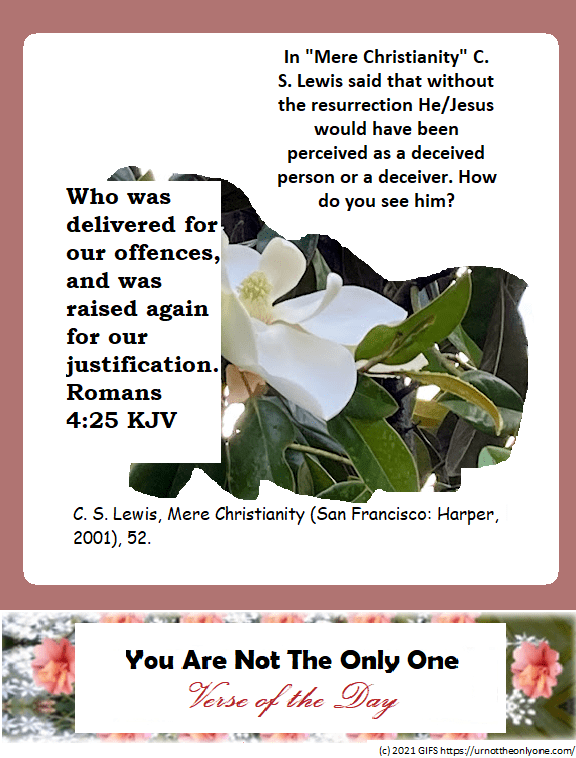
#TheResurrectionOfJesus #OurHopeOfGlory
Find out in this short film. English Version

耶稣复活为什么至关重要?请在这部短片中寻找答案. (Chinese version.)
- 7 Reasons Why Worship Is More than Just Music by Joshua Swanson

Updated Mar 19, 2026
1. Defining Worship According to the Bible
First, let’s start with the Word of God! Worship, as depicted in the Bible, extends far beyond the songs sung on Sunday mornings. It encompasses our entire lives and is deeply rooted in our relationship with God. The Apostle Paul writes in Romans 12:1,
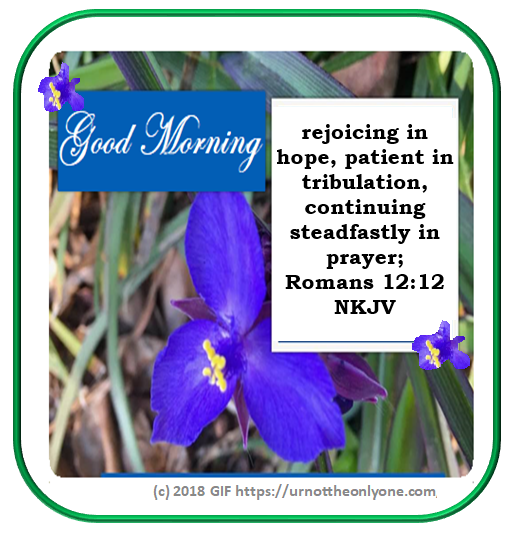
“Therefore, I urge you, brothers and sisters, in view of God’s mercy, to offer your bodies as a living sacrifice, holy and pleasing to God—this is your true and proper worship.” This scripture illustrates that worship is a holistic offering of our lives to God, not confined to a specific activity or time. Similarly, Jesus teaches in John 4:24, “God is spirit, and his worshipers must worship in the Spirit and in truth.”
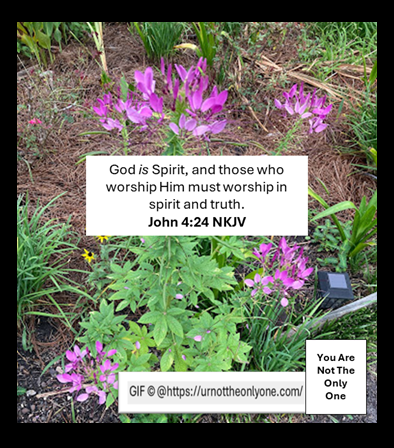
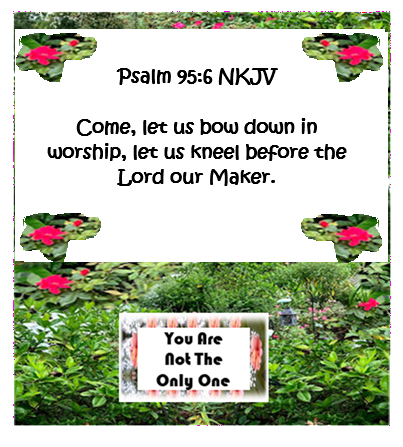
This statement underscores that worship is a spiritual act that involves our hearts and minds fully engaging with God. Furthermore, Psalm 95:6 says, “Come, let us bow down in worship, let us kneel before the Lord our Maker,” highlighting a physical and reverent posture toward God.
2. Why Worship Is More than a Music Genre
In contemporary Christian culture, the term “worship” has often been narrowed to signify a genre of music performed during church services. This evolution has birthed a thriving industry where worship music is commercially produced and consumed, sometimes overshadowing the broader biblical understanding of worship. While music is a powerful and vital expression of worship, equating worship solely with music limits the depth and richness of how we can honor and connect with God
3. Transformative Perspective
Hip-hop artist Steven Malcolm challenges the conventional boundaries of worship music. He asserts, “Yes, hip hop absolutely can be considered worship music. If not, then you’re putting God in a box.” Malcolm’s perspective broadens the understanding of worship by incorporating his personal journey. As someone who rose from a fatherless, challenging background to glorify God through hip-hop, Malcolm exemplifies offering one’s life as a living sacrifice. He highlights how hip-hop, despite being unconventional in many church settings, can profoundly impact and transform lives, thereby fulfilling the essence of worship as described in Romans 12:1.
Country artist Jackson Michelson also questions the constraints placed on worship music by labels. He recounts his journey from writing love songs for his wife to becoming a recognized country artist, inadvertently crossing into the secular music industry. Michelson states, “I’ve always been an artist that… I don’t like to put labels on art.” His experience underscores the idea that worship should not be confined to specific genres or contexts. Michelson sees his role as leading people through stories, whether they are love songs or worship songs, and he embraces the opportunity to lead people into a relationship with Jesus through music. This view aligns with Colossians 3:17,
“And whatever you do, whether in word or deed, do it all in the name of the Lord Jesus, giving thanks to God the Father through him.
5. Relationship Over Religion
Rapper 1K Phew shares his testimony of creating worship music that speaks to authenticity and personal transformation. His song “As I Am,” performed with Jonathan McReynolds, encapsulates the message of coming to God just as one is. Phew emphasizes the importance of relationship over religion, recounting his own journey from a wayward lifestyle to a genuine relationship with God. He articulates, “I had to make a decision for myself to really put that relationship over religion and really apply what I was talking about to my lifestyle.” This perspective reinforces that true worship involves an authentic, personal commitment to live out one’s faith, beyond mere religious rituals.

6. Holistic Approach
Finally, a perspective from a person most would consider a traditional voice within the Worship music genre. Worship leader and songwriter Pat Barrett provides a reflective view on worship, moving away from compartmentalization to a more integrated life approach. Barrett recalls, “I feel like there was a point in my life where worship felt compartmentalized as singing… the older you get, the more you realize none of your life is compartmentalized.” He suggests that worship is akin to trust and faith, a continuous leaning into life in God. This holistic understanding resonates with Jesus‘ command to love God with all our heart, soul, mind, and strength (Mark 12:30).
- Why does the resurrection of Jesus matter? English & Chinese Versions.
#TheResurrectionOfJesus #OurHopeOfGlory
Find out in this short film. English Version
耶稣复活为什么至关重要?请在这部短片中寻找答案. (Chinese version.)

The Invisible Shield By: Shira Schechter
March 16, 2026

A few days ago, as Israel and the United States launched their campaign against Iran and missiles rained down across the country, an Israeli Air Force pilot recorded a message for the children of Israel. The words were simple and direct — the kind of thing only someone who actually flies those missions could mean. He told them he was up there, above their homes, thinking about their smiles and their games while they sat in their safe rooms. He told them to breathe, to hold a sibling’s hand, to think of him flying above them — guarding the sky like an invisible shield.
And then he said something that stopped me.
“I am here for you, even when you can’t see me.”
It was a beautiful message. Genuine. And for tens of thousands of Israeli children sitting in shelters, hearing sirens, feeling their hearts pound — it was exactly what they needed to hear.
But something was missing.
My husband watched the same video and said what I was thinking: the pilot said everything right — and left out the most important part. There is someone else up in that sky. And He’s been there a lot longer than the F-35.
Moses knew this. At the very end of his life, in his final blessing to the nation of Israel, he said:
אֵין כָּאֵל יְשֻׁרוּן רֹכֵב שָׁמַיִם בְעֶזְרֶךָ וּבְגַאֲוָתוֹ שְׁחָקִים׃
O Jeshurun, there is none like Hashem, Riding through the heavens to help you, Through the skies in His majesty.Deuteronomy 33:26
The language is startling. God doesn’t merely watch from above — He rides, active and in motion, through the heavens. And He does it be’ezrecha — to help you, through the skies.
But Rabbi Naftali Zvi Yehuda Berlin, the great 19th-century Torah scholar known as the Netziv, read that word with surgical precision. Be’ezrecha, he explains, doesn’t only mean “to help you.” It means “through your help.” God rides the natural forces of the world — the celestial machinery He embedded in creation from the very beginning — and He steers them with individual providence in direct response to Israel’s prayer. The children in the shelter, holding each other’s hands, whispering prayers into the dark — they are not passengers waiting for rescue. They are participants in it. That, the Netziv says, is how the King of the world designed the system.
The pilot told the children: “Every time you go into the safe room on time, you’re part of our team.” He meant it as encouragement, perhaps without realizing how literally true it is.
“He who guards Israel neither slumbers nor sleeps” (Psalm 121:4) — not sometimes, not when the sirens are working, not when the pilots are airborne. Always. And Isaiah, who had never seen a cockpit or a radar screen, described the divine protection over Jerusalem in language every Israeli child today would immediately recognize: “Like birds hovering overhead, the Lord of Hosts will shield Jerusalem — shielding and saving, sparing and rescuing” (Isaiah 31:5). Hovering. Circling. Watching from above.
None of this diminishes what the pilot said. His courage is real. His love for those children — children he has never met, whose names he will never know — is real. Every sortie he flies is part of something larger than his mission briefing.
But here is what I want Israeli children to carry with them into the safe room, beyond the breathing exercises and the hand-holding and the song they love. The pilot is up there. He is doing everything he said he would. His skill is real, and his courage is real. But whether he succeeds in his mission, whether the missile falls short or the interception succeeds — that is not his call to make. He can do everything right and still need help from somewhere above his cockpit. The One who decides those outcomes neither slumbers nor sleeps.
And the children — small, frightened, invisible to the world in their concrete rooms — are not as powerless as they feel. The Netziv’s reading of be’ezrecha means that the prayers rising from those shelters are not a comfort mechanism. They are load-bearing. They are the means by which the King of the world rides the sky. The pilot flies his jet. The children power something else.
When the sirens sound and the walls feel close and the seconds stretch out — the invisible shield the pilot described is real. It is even more real than he let on. It was in place before Israel had an air force, before Israel had a state, before Israel had anything but a promise from God and a people willing to hold each other’s hands in the dark. And the children themselves help power it.
You are not alone. You are loved. You are protected.
- God Will Show Up for You By: Whitney Hopler
Bible Reading:
“Let us acknowledge the Lord; let us press on to acknowledge him. As surely as the sun rises, he will appear; he will come to us like the winter rains, like the spring rains that water the earth.” – Hosea 6:3, NIVAfter it rains, I try to go outside to take a quick walk whenever possible. I love smelling the fresh air that’s just been washed clean by the rain, and seeing how the ground around me comes to life as the rain soaks into it. Since I also love the peaceful sound of rain and how it feels when raindrops fall, I sometimes try to walk outside while it’s still raining. While I’m walking, I often pray because the rain that refreshes everything around me physically inspires me to seek a fresh perspective spiritually by talking with God. I always feel renewed after walking. The answers to my prayers usually have to wait for God’s timing – and sometimes that takes much longer than I expected. But God is faithful! God always shows up with the answers when the timing is right. In the meantime, I keep seeking him.
If you’re waiting for God to answer your prayers for something you need, but it’s taken much longer than you expected to see God’s answers arrive, you may feel like God has forgotten you. You might start to wonder if prayer works and if God will actually show up for you.
This verse from the prophet Hosea encourages you that God will show up for you as reliably as the sun rises and the rain waters the earth.
You can count on God appearing whenever the time is right to meet your needs. Just like the sun always rises in the morning, and the rain always falls to water the earth, God will always show up for you.
Hosea 6:3 urges you to “press on to acknowledge” God. You can do so by continuing to seek God, to trust God’s character, and to move forward in faith, expecting God to show up when the right time comes. Praying persistently and waiting with hope will both help you press on to acknowledge God.
When God does appear, this verse says: “He will come to us like the winter rains, like the spring rains that water the earth.” Winter rains wash away debris and soak into the ground, creating a deep reserve of water. When God shows up, he addresses the deep issues in your life, healing you from anything that’s making you spiritually dry and giving you the strength you need for what’s next. Spring rains are gentle rains that often occur during that season to nourish plants and help them grow well. When God appears, he brings you renewal and revival. Areas in your life that had been barren before will bloom because of the new life God gives you. God shows up to renew your strength and restore your hope.
So, if you’re currently in a season of waiting for God to answer your prayers about something, remember God’s past faithfulness. God has shown up for you before, and he will show up again – just like the sun will rise tomorrow morning, and rain will fall from the sky again soon.
You aren’t waiting for a God who might be too busy or too far away to help you. You’re waiting for a God who promises to appear at the right time. So, press on to pray for what you need, and to believe that God will answer your prayers. You can always trust that God will show up for you!
Intersecting Faith & Life:
As you consider how you can trust that God will show up for you, reflect on these questions:
- What is the current dry season you’re experiencing that’s making you doubt God’s faithfulness?
- Hosea 6:3 says God will appear “as surely as the sun rises.” How can you plan to get up early enough to watch a sunset this week and meditate on this verse while you watch it?
- In what ways do you need God to come to you like the winter rains, with deep healing that helps you prepare for what’s next?
- In what ways do you need God to come to you like the spring rains, with renewal that helps you grow?
- What’s one step you can take today to “press on to acknowledge him” while you wait for God’s timing?
Further Reading:
Lamentations 3:22-23
Psalm 30:5
Isaiah 40:31
Philippians 1:6
Malachi 4:2Join the conversation! Share how today’s devotional encouraged or challenged you in your walk with Christ.
Photo Credit: Unsplash Dyu-Ha
Whitney Hopler helps people discover God’s wonder and experience awe. She is the author of several books, including the nonfiction books Wake Up to Wonder and Wonder Through the Year: A Daily Devotional for Every Year, and the young adult novel Dream Factory. Whitney has served as an editor at leading media organizations, including Crosswalk.com, The Salvation Army USA’s national publications, and Dotdash.com (where she produced a popular channel on angels and miracles). She currently leads the communications work at George Mason University’s Center for the Advancement of Well-Being. Connect with Whitney on her website at www.whitneyhopler.com and on her Facebook author page.
- Saint Patrick, Evangelist and Missionary to Ireland
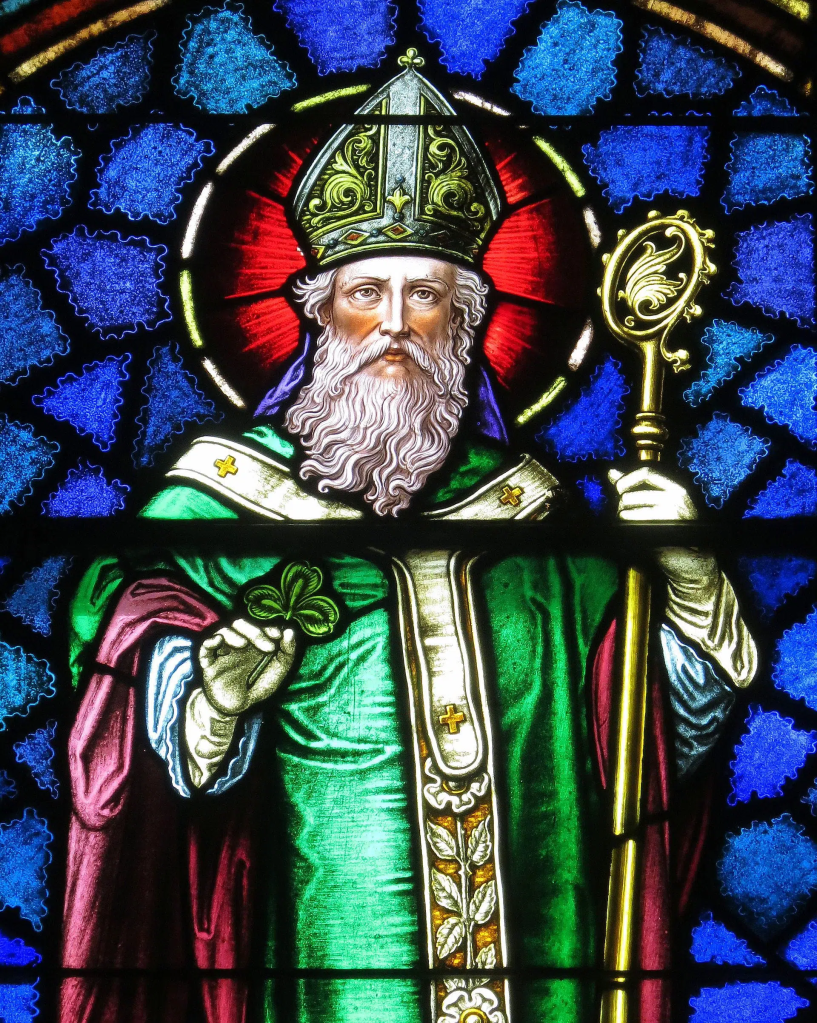
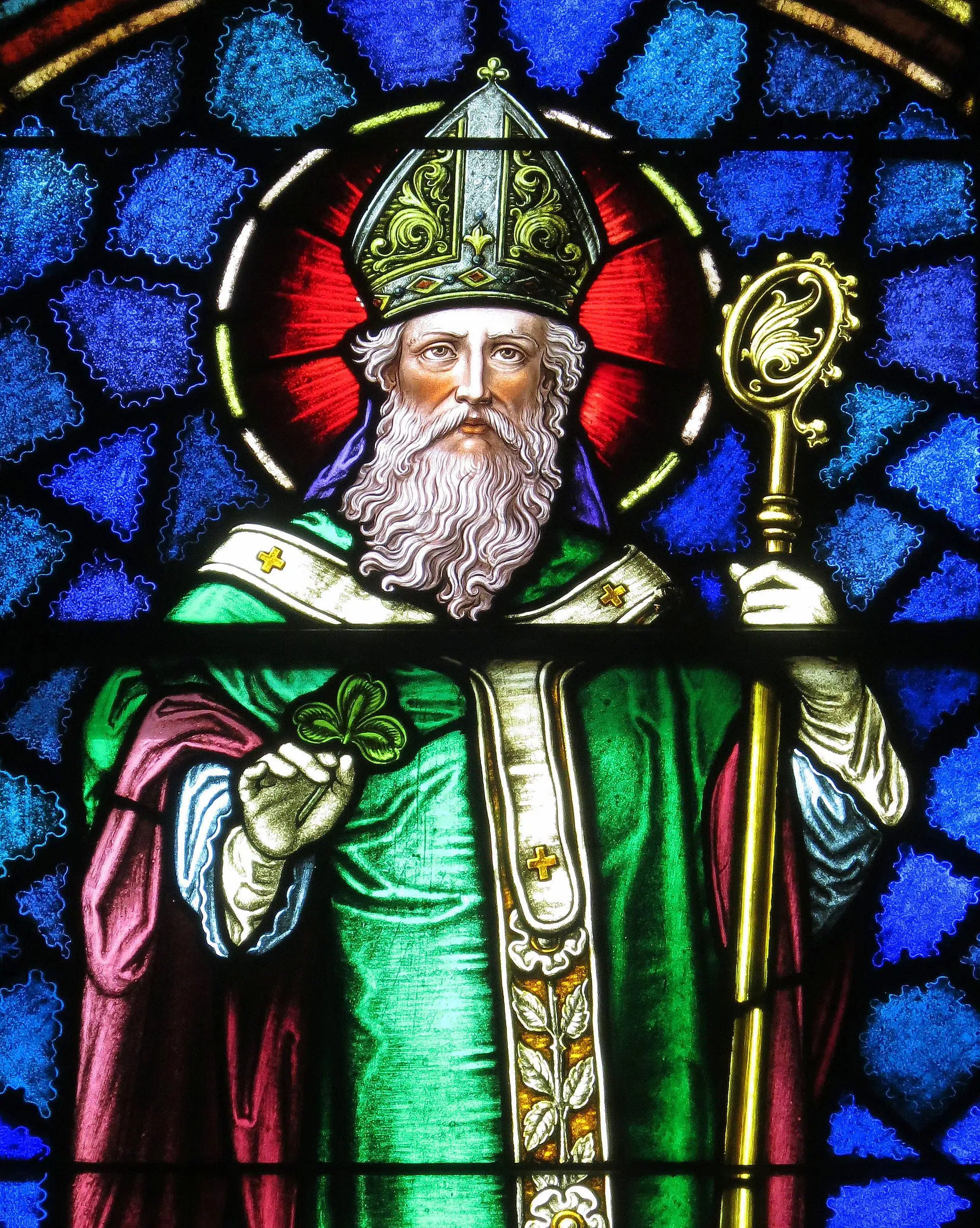
Saint Patrick’s Day, or the Feast of Saint Patrick, is a celebration held on March 17 each year, the traditional date of Saint Patrick’s death.
Saint Patrick was born in Roman Britain in the 5th century, around 1,600 years ago.
Calpurnius, his father, was a Christian Deacon and his grandfather Potitus was a Priest. Patrick, however, was not an active Christian believer during his youth.
According to the Confession of Saint Patrick, at the age of sixteen Patrick was captured by a group of Irish pirates.
They took him to Ireland where he was enslaved and held captive for six years, forced to work as a shepherd.
Patrick writes in the Confession that the time he spent in captivity was critical to his spiritual formation. He explains that the Lord had mercy on his youth and ignorance, and afforded him the opportunity to be forgiven of his sins and to be converted to Christianity. As a slave, Saint Patrick strengthened his relationship with God through prayer, eventually leading him to convert to Christianity.
After six years as a slave he heard a voice telling him that he would soon go home and that his ship was ready. Fleeing his slave-master, he travelled to a port two hundred miles away, where he persuaded the captain of a ship to take him away from Ireland. After three days sailing, they landed in Britain and left the ship, walking for 28 days in a “wilderness,” becoming faint from hunger. After Patrick prayed to God for help, they encountered a herd of wild pigs. Since this was shortly after Patrick had urged them to put their faith in God, his witness to the group was greatly increased.
After various adventures, he returned home to his family when he was in his early twenties and he continued his study of Christianity, including studies in Europe where he was ordained as a Priest.
Patrick had a vision a few years after returning home…
I saw a man coming, as it were from Ireland. His name was Victoricus, and he carried many letters, and he gave me one of them. I read the heading: “The Voice of the Irish.” As I began the letter, I imagined in that moment that I heard the voice of those very people who were near the wood of Foclut, which is beside the western sea—and they cried out, as with one voice: “We appeal to you, holy servant boy, to come and walk among us.”
Acting on this vision, Patrick returned to Ireland as a Christian Missionary. He was not welcomed at first by the locals and was forced to leave to seek a more welcoming location in Ireland.
Saint Patrick fought against slavery in Ireland and he suffered for Christ, he was beaten, robbed, put in chains, imprisoned and his life was threatened many times.
Patrick wrote that in Ireland he “baptised thousands of people” and he ordained Priests to lead the new Irish Christian communities.
Patrick also wrote of the people of Ireland…
Never before did they know of God except to serve idols and unclean things. But now, they have become the people of the Lord, and are called children of God.
There are many legends that surround Saint Patrick, including that he used a shamrock clover to explain the Trinity and that he banished snakes from Ireland.
Saint Patrick is known as the “Apostle of Ireland” and he is the primary patron saint of people of Irish descent around the world.
Here is one of the most famous of Saint Patrick’s prayers…
Christ beside me,
Christ before me,
Christ behind me,
Christ within me,
Christ beneath me,
Christ above me.______________________________________
Saint Patrick of Ireland was believed to have used a shamrock clover to explain The Trinity.
To better understand The Trinity, read our article The Holy Trinity: God the Father, Son and Holy Spirit CLICK HERE

- The Courage to Speak Truth – The Crosswalk Devotional – March 7 byAaron D’Anthony Brown

The Courage to Speak Truth
By Aaron D’Anthony BrownBible Reading:
“But let your ‘yes’ mean ‘yes,’ and your ‘no’ mean ‘no.’ Anything more than this is from the evil one.” – Matthew 5:37If there’s one thing believers and nonbelievers have in common today, it is a fear that prevents us from saying exactly what’s on our mind. In our modern culture, telling someone anything remotely offensive has become taboo, even if they’re hurting us or hurting themselves.
The thought of having any sort of confrontation proves too much. We become paralyzed before finding some justification to simply let things be. Yet at the same time, we continue to complain about said things.
Recently, a friend of mine was sharing with me about someone in his friend group who was dabbling in transgenderism. My friend was afraid to share his thoughts on the issue with this person and instead remained silent, even though he was clearly concerned about his friend.
There are so many people who feel like this today. Rather than tell people the truth, we tell them lies, or nothing at all, which they then interpret as affirmation, even though we know it to be sin.
The solution is simple – put yourself in their shoes. What would we want people to do for us if we were sinning? Call us out? Leave us be? We ourselves know the right thing to do, but are not doing it.
Jesus says to let our “yes” and “no” be clear. Let’s talk about how to do that.
Intersecting Faith & Life:
Recognize that Christ was offensive.
Some of us in the modern church have started believing that Jesus got along perfectly with everybody all the time, but that just wasn’t the case. Jesus called people out on their sin. He wasn’t afraid to go against the culture. Why do you think there were so many who rallied against Him and were bent on having Him killed?
Certainly, Christ did not offend for the sake of hurting others. There was truth that they needed to hear, and oftentimes they didn’t want to hear it. Nonetheless, what mattered most was the truth. The same applies to us today.
Understand that the truth doesn’t have to be offensive.
We often grow squeamish at the thought of treating sin with aggression. But here’s the reality: you don’t have to be aggressive. There is such a thing as righteous anger, but calling someone out for bad behavior doesn’t require you to be angry. As discussed, Jesus was not the pacifist we often make Him out to be, but He also didn’t go around yelling at everyone He caught misbehaving. Effective communication requires wisdom, something we can attain by first stepping out of our comfort zones and having these tough conversations.
We need one another to grow.
We’re no different from the people we complain about. Our struggles may differ. Some are certainly more severe than others. However, like the people we are afraid to confront, we have struggles we don’t realize ourselves. You’re hopefully not the same person you were a year ago, or five years ago. Why? You’ve learned more about yourself in that time. Some of which you learned on your own, but other things were brought to your attention.
We need God and fellow believers to give us the wisdom to become aware. Likewise, we need to use the wisdom we’ve been blessed with and admonish those around us – effectively, honestly, and righteously.
Further Reading:
Proverbs 12:22
Proverbs 13:20
John 2:15-17
Luke 6:31
Ephesians 4:24
Matthew 10:34-36Join the conversation! Share how today’s devotional encouraged or challenged you in your walk with Christ.
Photo Credit: ©iStock/Getty Images Plus/Prostock-Studio
 Aaron D’Anthony Brown is a freelance writer, hip-hop dance teacher, and visual artist, living in Virginia. He currently contributes to Salem Web Network’s Crosswalk platform and supports various clients through the freelancing website Upwork. He’s an outside-the-box thinker with a penchant for challenging the status quo.
 Get in touch with him at aarondanthony.com and check out his debut short story anthology Honey Dreams on Amazon and Barnes and Noble.

Check out fantastic resources on Faith, Family, and Fun at Crosswalk.com!
Listen to the Jesus Calling Podcast!
Welcome to this special bonus episode of the Jesus Calling Podcast, inspired by the topical themes from Sarah Young’s seasonal prayer devotional Jesus Listens: Prayers for Every Season. Today, we are featuring guests who speak to themes that all of us might be experiencing in this season of winter. As the days grow shorter and the night longer, we are offered a rare gift: permission to stop. This season can be a challenging time for many, and if you are struggling with low spirits, please know you are not alone, and help is available. This episode is an opportunity to honor your weariness, to resist the urge to rush, and to discover the profound healing that happens when we simply let ourselves rest in the stillness. If you like what you hear, be sure to follow Jesus Calling on Apple or Spotify so you never miss an episode!
about:blank
:Follow this devotionalFollow this author

Add Crosswalk.com as a trusted source for Christian content.
SHARE
Missed a day? Catch up here.
Strain Forward Towards the Goal – The Crosswalk Devotional – March 6March 06, 2026Preparing Our Hearts for Spring Break – The Crosswalk Devotional – March 5March 05, 2026Gaining Favor in the Eyes of God and Others – The Crosswalk Devotional – March 4March 04, 2026
Trending on Crosswalk

What Is a Proverbs 31 Man and Why Have We Never Heard of Him?

A Prayer When You Feel Worthless – Your Daily Prayer – March 5

7 Signs We Are in the End Times
about:blank

Follow Crosswalk on Social Media
This site is a proud member of the Salem Web Network, a subsidiary of Salem Media Group.
Other Salem Web Network sites include:
- BibleStudyTools.comThe Courage to Speak Truth – The Crosswalk Devotional – March 7
Aaron D’Anthony Brown
Subscribe to this devotional:Follow this devotional
Follow this authorThe Courage to Speak Truth
By Aaron D’Anthony Brown
Bible Reading:
“But let your ‘yes’ mean ‘yes,’ and your ‘no’ mean ‘no.’ Anything more than this is from the evil one.” – Matthew 5:37If there’s one thing believers and nonbelievers have in common today, it is a fear that prevents us from saying exactly what’s on our mind. In our modern culture, telling someone anything remotely offensive has become taboo, even if they’re hurting us or hurting themselves.
The thought of having any sort of confrontation proves too much. We become paralyzed before finding some justification to simply let things be. Yet at the same time, we continue to complain about said things.
Recently, a friend of mine was sharing with me about someone in his friend group who was dabbling in transgenderism. My friend was afraid to share his thoughts on the issue with this person and instead remained silent, even though he was clearly concerned about his friend.
There are so many people who feel like this today. Rather than tell people the truth, we tell them lies, or nothing at all, which they then interpret as affirmation, even though we know it to be sin.
The solution is simple – put yourself in their shoes. What would we want people to do for us if we were sinning? Call us out? Leave us be? We ourselves know the right thing to do, but are not doing it.
Jesus says to let our “yes” and “no” be clear. Let’s talk about how to do that.
Intersecting Faith & Life:Recognize that Christ was offensive.
Some of us in the modern church have started believing that Jesus got along perfectly with everybody all the time, but that just wasn’t the case. Jesus called people out on their sin. He wasn’t afraid to go against the culture. Why do you think there were so many who rallied against Him and were bent on having Him killed?Certainly, Christ did not offend for the sake of hurting others. There was truth that they needed to hear, and oftentimes they didn’t want to hear it. Nonetheless, what mattered most was the truth. The same applies to us today.
Understand that the truth doesn’t have to be offensive.
We often grow squeamish at the thought of treating sin with aggression. But here’s the reality: you don’t have to be aggressive. There is such a thing as righteous anger, but calling someone out for bad behavior doesn’t require you to be angry. As discussed, Jesus was not the pacifist we often make Him out to be, but He also didn’t go around yelling at everyone He caught misbehaving. Effective communication requires wisdom, something we can attain by first stepping out of our comfort zones and having these tough conversations.
We need one another to grow.
We’re no different from the people we complain about. Our struggles may differ. Some are certainly more severe than others. However, like the people we are afraid to confront, we have struggles we don’t realize ourselves. You’re hopefully not the same person you were a year ago, or five years ago. Why? You’ve learned more about yourself in that time. Some of which you learned on your own, but other things were brought to your attention.We need God and fellow believers to give us the wisdom to become aware. Likewise, we need to use the wisdom we’ve been blessed with and admonish those around us – effectively, honestly, and righteously.
Further Reading:
Proverbs 12:22
Proverbs 13:20
John 2:15-17
Luke 6:31
Ephesians 4:24
Matthew 10:34-36
Join the conversation! Share how today’s devotional encouraged or challenged you in your walk with Christ.
Photo Credit: ©iStock/Getty Images Plus/Prostock-Studio
Aaron D’Anthony Brown is a freelance writer, hip-hop dance teacher, and visual artist, living in Virginia. He currently contributes to Salem Web Network’s Crosswalk platform and supports various clients through the freelancing website Upwork. He’s an outside-the-box thinker with a penchant for challenging the status quo.
Get in touch with him at aarondanthony.com and check out his debut short story anthology Honey Dreams on Amazon and Barnes and Noble.
Check out fantastic resources on Faith, Family, and Fun at Crosswalk.com!
Listen to the Jesus Calling Podcast!
Welcome to this special bonus episode of the Jesus Calling Podcast, inspired by the topical themes from Sarah Young’s seasonal prayer devotional Jesus Listens: Prayers for Every Season. Today, we are featuring guests who speak to themes that all of us might be experiencing in this season of winter. As the days grow shorter and the night longer, we are offered a rare gift: permission to stop. This season can be a challenging time for many, and if you are struggling with low spirits, please know you are not alone, and help is available. This episode is an opportunity to honor your weariness, to resist the urge to rush, and to discover the profound healing that happens when we simply let ourselves rest in the stillness. If you like what you hear, be sure to follow Jesus Calling on Apple or Spotify so you never miss an episode!:Follow this devotional
Follow this author
Add Crosswalk.com as a trusted source for Christian content.
SHARE
About Us
Crosswalk App
Contact Us
Privacy Policy
Terms of Use
Write for Us
California – CCPA Notice
Salem Media, our partners and affiliates use cookies to operate our website and share information, which allows us to show your personalized content and manage our objectives as a business.
- BibleStudyTools.comThe Courage to Speak Truth – The Crosswalk Devotional – March 7
- Why does the resurrection of Jesus matter? English & Chinese Versions. & PTWG Prayer
#TheResurrectionOfJesus #OurHopeOfGlory
Find out in this short film. English Version
耶稣复活为什么至关重要?请在这部短片中寻找答案. (Chinese version.)
John 20
Reference https://www.biblestudytools.com/bible-stories/the-resurrection-of-jesus-bible-story.html

Prime TIme With God Prayer : GOOD MORNING, FRIENDS; HERE IS TODAY’S PRAYER…
Dear Lord God,
This passage from King David in Psalm 51 is my prayer to You today…
Create in me a clean heart, O God, And renew a steadfast spirit within me.
Do not cast me away from Your presence, And do not take Your Holy Spirit from me.
Restore to me the joy of Your salvation, And uphold me by Your generous Spirit.
Then I will teach transgressors Your ways, And sinners shall be converted to You.
Deliver me from the guilt of bloodshed, O God, The God of my salvation, And my tongue shall sing aloud of Your righteousness. O Lord, open my lips, And my mouth shall show forth Your praise. For You do not desire sacrifice,
or else I would give it; You do not delight in burnt offering. The sacrifices of God are a broken spirit,
A broken and a contrite heart— These, O God, You will not despise. Psalm 51:10-17 NKJVSong of worship. We do not own the music to this song. Create in me a clean heart
I praise You this day and long to walk with You each moment. In the all-sufficient name of Jesus, I pray, Amen.
Special Prayer Requests: Please pray with us…
- Lord, please heal our land… 2 Chronicles 7:14
- Lord, protect those working on the front lines serving the sick, hungry, poor, and homeless.
- Lord, let all Christians and churches reach out with hope and love while people’s hearts are open.
- Lord, how can I bless my church financially during these challenging days
- Lord, please use me to bless others in Jesus’ name.










 You Are Not the Only One
You must be logged in to post a comment.